Ebook A Troublesome Inheritance: Genes, Race and Human History, by Nicholas Wade
Yet right here, we will show you extraordinary point to be able always read guide A Troublesome Inheritance: Genes, Race And Human History, By Nicholas Wade anywhere as well as whenever you happen and time. Guide A Troublesome Inheritance: Genes, Race And Human History, By Nicholas Wade by only can assist you to recognize having the publication to review whenever. It will not obligate you to constantly bring the thick publication anywhere you go. You could simply keep them on the device or on soft documents in your computer to constantly review the enclosure at that time.
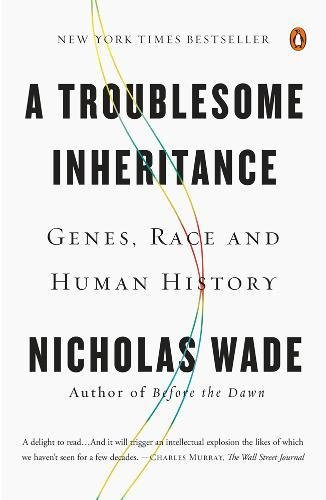
A Troublesome Inheritance: Genes, Race and Human History, by Nicholas Wade

Ebook A Troublesome Inheritance: Genes, Race and Human History, by Nicholas Wade
A Troublesome Inheritance: Genes, Race And Human History, By Nicholas Wade. Let's read! We will usually locate out this sentence almost everywhere. When still being a children, mama utilized to order us to consistently review, so did the educator. Some e-books A Troublesome Inheritance: Genes, Race And Human History, By Nicholas Wade are completely read in a week as well as we require the responsibility to sustain reading A Troublesome Inheritance: Genes, Race And Human History, By Nicholas Wade Just what about now? Do you still enjoy reading? Is reviewing just for you which have commitment? Never! We right here provide you a brand-new publication qualified A Troublesome Inheritance: Genes, Race And Human History, By Nicholas Wade to read.
When going to take the experience or thoughts forms others, book A Troublesome Inheritance: Genes, Race And Human History, By Nicholas Wade can be a great resource. It holds true. You could read this A Troublesome Inheritance: Genes, Race And Human History, By Nicholas Wade as the source that can be downloaded and install right here. The method to download and install is also very easy. You can see the link page that we offer and after that buy guide to make a deal. Download A Troublesome Inheritance: Genes, Race And Human History, By Nicholas Wade as well as you can deposit in your personal device.
Downloading and install guide A Troublesome Inheritance: Genes, Race And Human History, By Nicholas Wade in this website lists can offer you more advantages. It will certainly show you the most effective book collections as well as finished compilations. Numerous books can be discovered in this website. So, this is not only this A Troublesome Inheritance: Genes, Race And Human History, By Nicholas Wade However, this publication is referred to check out because it is a motivating book to give you a lot more opportunity to obtain experiences as well as ideas. This is simple, check out the soft data of guide A Troublesome Inheritance: Genes, Race And Human History, By Nicholas Wade and you get it.
Your impression of this book A Troublesome Inheritance: Genes, Race And Human History, By Nicholas Wade will lead you to obtain what you specifically require. As one of the inspiring publications, this publication will certainly supply the presence of this leaded A Troublesome Inheritance: Genes, Race And Human History, By Nicholas Wade to collect. Even it is juts soft documents; it can be your collective documents in gadget and various other device. The important is that use this soft data book A Troublesome Inheritance: Genes, Race And Human History, By Nicholas Wade to review and take the benefits. It is what we indicate as book A Troublesome Inheritance: Genes, Race And Human History, By Nicholas Wade will boost your ideas as well as mind. After that, reviewing book will certainly additionally boost your life top quality much better by taking good action in balanced.
Drawing on startling new evidence from the mapping of the genome, an explosive new account of the genetic basis of race and its role in the human story
Fewer ideas have been more toxic or harmful than the idea of the biological reality of race, and with it the idea that humans of different races are biologically different from one another. For this understandable reason, the idea has been banished from polite academic conversation. Arguing that race is more than just a social construct can get a scholar run out of town, or at least off campus, on a rail. Human evolution, the consensus view insists, ended in prehistory.
Inconveniently, as Nicholas Wade argues in A Troublesome Inheritance, the consensus view cannot be right. And in fact, we know that populations have changed in the past few thousand years—to be lactose tolerant, for example, and to survive at high altitudes. Race is not a bright-line distinction; by definition it means that the more human populations are kept apart, the more they evolve their own distinct traits under the selective pressure known as Darwinian evolution. For many thousands of years, most human populations stayed where they were and grew distinct, not just in outward appearance but in deeper senses as well.
Wade, the longtime journalist covering genetic advances for The New York Times, draws widely on the work of scientists who have made crucial breakthroughs in establishing the reality of recent human evolution. The most provocative claims in this book involve the genetic basis of human social habits. What we might call middle-class social traits—thrift, docility, nonviolence—have been slowly but surely inculcated genetically within agrarian societies, Wade argues. These “values” obviously had a strong cultural component, but Wade points to evidence that agrarian societies evolved away from hunter-gatherer societies in some crucial respects. Also controversial are his findings regarding the genetic basis of traits we associate with intelligence, such as literacy and numeracy, in certain ethnic populations, including the Chinese and Ashkenazi Jews.
Wade believes deeply in the fundamental equality of all human peoples. He also believes that science is best served by pursuing the truth without fear, and if his mission to arrive at a coherent summa of what the new genetic science does and does not tell us about race and human history leads straight into a minefield, then so be it. This will not be the last word on the subject, but it will begin a powerful and overdue conversation.
- Sales Rank: #36712 in Books
- Brand: Penguin Books
- Published on: 2015-04-28
- Released on: 2015-04-28
- Original language: English
- Number of items: 1
- Dimensions: 8.40" h x .80" w x 5.50" l, 1.00 pounds
- Binding: Paperback
- 288 pages
Features
Review
“[A Troublesome Inheritance] is a delight to read—conversational and lucid. And it will trigger an intellectual explosion the likes of which we haven't seen for a few decades.” --Charles Murray, Wall Street Journal:
“Extremely well-researched, thoughtfully written and objectively argued…. The real lesson of the book should not be lost on us: A scientific topic cannot be declared off limits or whitewashed because its findings can be socially or politically incendiary…. Ultimately Wade’s argument is about the transparency of knowledge.” --Ashutosh Jogalekar, Scientific American
“Nicholas Wade combines the virtues of truth without fear and the celebration of genetic diversity as a strength of humanity, thereby creating a forum appropriate to the twenty-first century.” --Edward O. Wilson, University Research Professor Emeritus, Harvard University
“A freethinking and well-considered examination of the evidence “that human evolution is recent, copious, and regional.” --Kirkus Reviews
“Wade ventures into territory eschewed by most writers: the evolutionary basis for racial differences across human populations. He argues persuasively that such differences exist… His conclusion is both straightforward and provocative…He makes the case that human evolution is ongoing and that genes can influence, but do not fully control, a variety of behaviors that underpin differing forms of social institutions. Wade’s work is certain to generate a great deal of attention.” --Publishers Weekly
“Mr. Wade is a courageous man, as is anyone who dares raise his head above the intellectual parapet; he has put his argument with force, conviction, intelligence, and clarity.” --The New Criterion
About the Author
Nicholas Wade received a BA in natural sciences from King’s College, Cambridge. He was the deputy editor of Nature magazine in London and then became that journal’s Washington correspondent. He joined Science magazine in Washington as a reporter and later moved to The New York Times, where he has been an editorial writer, concentrating on issues of defense, space, science, medicine, technology, genetics, molecular biology, the environment, and public policy, a science reporter, and a science editor.
Excerpt. © Reprinted by permission. All rights reserved.
1
Evolution, Race and History
Since the decoding of the human genome in 2003, a sharp new light has been shed on human evolution, raising many interesting but awkward questions.
It is now beyond doubt that human evolution is a continuous process that has proceeded vigorously within the past 30,000 years and almost certainly—though very recent evolution is hard to measure—throughout the historical period and up until the present day. It would be of the greatest interest to know how people have evolved in recent times and to reconstruct the fingerprints of natural selection as it molded and reworked the genetic clay. Any degree of evolution in social behavior found to have taken place during historical times could help explain significant features of today’s world.
But the exploration and discussion of these issues is complicated by the fact of race. Ever since the first modern humans dispersed from the ancestral homeland in northeast Africa some 50,000 years ago, the populations on each continent have evolved largely independently of one another as each adapted to its own regional environment. Under these various local pressures, there developed the major races of humankind, those of Africans, East Asians and Europeans, as well as many smaller groups.
Because of these divisions in the human population, anyone interested in recent human evolution is almost inevitably studying human races, whether they wish to or not. Scientific inquiry thus runs into potential conflict with the public policy interest of not generating possibly invidious comparisons that might foment racism. Several of the intellectual barriers erected many years ago to combat racism now stand in the way of studying the recent evolutionary past. These include the assumption that there has been no recent human evolution and the assertion that races do not exist.
The New View of Human Evolution
New analyses of the human genome establish that human evolution has been recent, copious and regional. Biologists scanning the genome for evidence of natural selection have detected signals of many genes that have been favored by natural selection in the recent evolutionary past. No less than 14% of the human genome, according to one estimate, has changed under this recent evolutionary pressure. Most of these signals of natural selection date from 30,000 to 5,000 years ago, just an eyeblink in evolution’s 3 billion year timescale.
Natural selection has continued to mold the human genome, doubtless up until the present day, although the signals of evolution within the past few hundred or thousand years are harder to pick up unless the force of selection has been extremely strong. One of the most recent known dates at which a human gene has been changed by evolution is from 3,000 years ago, when Tibetans evolved a genetic variant that lets them live at high altitude.
Several instances have now come to light of natural selection shaping human traits within just the past few hundred years. Under the pressure of selection, for example, the age of first reproduction among women born between 1799 and 1940 on L’Isle-aux-Coudres, an island in the Saint Lawrence River near Quebec, fell from 26 to 22 years, according to researchers who were able to study an unusually complete record of marriages, births and deaths in the island’s parish records.
The researchers argue that other possible effects, like better nutrition, can be ruled out as explanations, and note that the tendency to give birth at a younger age appeared to be heritable, confirming that a genetic change had taken place. “Our study supports the idea that humans are still evolving,” they write. “It also demonstrates that microevolution is detectable over just a few generations in a long-lived species.”
Another source of evidence for very recent human evolution is that of the multigenerational surveys conducted for medical reasons, like the Framingham Heart Study. Borrowing statistical methods developed by evolutionary biologists for measuring natural selection, physicians have recently been able to tease out certain bodily changes that are under evolutionary pressure in these large patient populations. The traits include age at first reproduction, which is decreasing in modern societies, and age at menopause, which is increasing. The traits are of no particular importance in themselves and have been measured just because the relevant data were collected by the physicians who designed the studies. But the statistics suggest that the traits are inherited, and if so, they are evidence of evolution at work in present-day populations. “The evidence strongly suggests that we are evolving and that our nature is dynamic, not static,” a Yale biologist, Stephen Stearns, concludes in summarizing 14 recent studies that measured evolutionary change in living populations.
Human evolution has not only been recent and extensive; it has also been regional. The period of 30,000 to 5,000 years ago, from which signals of recent natural selection can be detected, occurred after the splitting of the three major races, and so represents selection that has occurred largely independently within each race. The three principal races are Africans (those who live south of the Sahara), East Asians (Chinese, Japanese and Koreans) and Caucasians (Europeans and the peoples of the Near East and the Indian subcontinent). In each of these races, a different set of genes has been changed by natural selection, as is described further in chapter 5. This is just what would be expected for populations that had to adapt to different challenges on each continent. The genes specially affected by natural selection control not only expected traits like skin color and nutritional metabolism but also some aspects of brain function, although in ways that are not yet understood.
Analysis of genomes from around the world establishes that there is indeed a biological reality to race, despite the official statements to the contrary of leading social science organizations. A longer discussion of this issue is offered in chapter 5, but an illustration of the point is the fact that with mixed-race populations, such as African Americans, geneticists can now track along an individual’s genome and assign each segment to an African or European ancestor, an exercise that would be impossible if race did not have some basis in biological reality.
The fact that human evolution has been recent, copious and regional is not widely recognized, even though it has now been reported by many articles in the literature of genetics. The reason is in part that the knowledge is so new and in part because it raises awkward challenges to deeply held conventional wisdom.
The Social Science Creed and Evolution
It has long been convenient for social scientists to assume that human evolution ground to a halt in the distant past, perhaps when people first learned to put a roof over their heads and to protect themselves from the hostile forces of nature. Evolutionary psychologists teach that the human mind is adapted to the conditions that prevailed at the end of the last age, some 10,000 years ago. Historians, economists, anthropologists and sociologists assume there has been no change in innate human behavior during the historical period.
This belief in the recent suspension of evolution, at least for people, is shared by the major associations of social scientists, which assert that race does not even exist, at least in the biological sense. “Race is a recent human invention,” proclaims the American Anthropological Association. “Race is about culture, not biology.” A recent book published by the association states that “Race is not real in the way we think of it: as deep, primordial, and biological. Rather it is a foundational idea with devastating consequences because we, through our history and culture, made it so.”
The commonsense conclusion—that race is both a biological reality and a politically fraught idea with sometimes pernicious consequences—has also eluded the American Sociological Association. The group states that “race is a social construct” and warns “of the danger of contributing to the popular conception of race as biological.”
The social scientists’ official view of race is designed to support the political view that genetics cannot possibly be the reason why human societies differ—the answer must lie exclusively in differing human cultures and the environment that produced them. The social anthropologist Franz Boas established the doctrine that human behavior is shaped only by culture and that no culture is superior to any other. From this point of view it follows that all humans are essentially interchangeable apart from their cultures, and that more complex societies owe their greater strength or prosperity solely to fortunate accidents such as that of geography.
The recent discoveries that human evolution has been recent, copious and regional severely undercut the social scientists’ official view of the world because they establish that genetics may have played a possibly substantial role alongside culture in shaping the differences between human populations. Why then do many researchers still cling to the notion that culture alone is the only possible explanation for the differences between human societies?
One reason is, of course, the understandable fear that exploration of racial differences will give support to racism, a question addressed below. Another is the inherent inertia of the academic world. University researchers do not act independently but rather as communities of scholars who constantly check and approve one another’s work. This is especially so in science, where grant applications must be approved by a panel of peers, and publications submitted to the scrutiny of editors and reviewers. The high advantage of this process is that the statements
scholars make in public are usually a lot more than their own opinion—they are the certified knowledge of a community of experts.
But a drawback of the system is its occasional drift toward extreme conservatism. Researchers get attached to the view of their field they grew up with and, as they grow older, they may gain the influence to thwart change. For 50 years after it was first proposed, leading geophysicists strenuously resisted the idea that the continents have drifted across the face of the globe. “Knowledge advances, funeral by funeral,” the economist Paul Samuelson once observed.
Another kind of flaw occurs when universities allow a whole field of scholars to drift politically to the left or to the right. Either direction is equally injurious to the truth, but at present most university departments lean strongly to the left. Any researcher who even discusses issues politically offensive to the left runs the risk of antagonizing the professional colleagues who must approve his requests for government funds and review his articles for publication. Self-censorship is the frequent response, especially in anything to do with the recent differential evolution of the human population. It takes only a few vigilantes to cow the whole campus. The result is that researchers at present routinely ignore the biology of race, or tiptoe around the subject, lest they be accused of racism by their academic rivals and see their careers destroyed.
Resistance to the idea that human evolution is recent, copious and regional is unlikely to vanish unless scholars can be persuaded that exploration of the recent evolutionary past will not lead to a resurgence of racism. In fact, such a resurgence seems most unlikely, for the following reasons.
Genomics and Racial Differences
In the first place, opposition to racism is now well entrenched, at least in the Western world. It is hard to conceive of any circumstance that would reverse or weaken this judgment, particularly any scientific evidence. Racism and discrimination are wrong as a matter of principle, not of science. Science is about what is, not what ought to be. Its shifting sands do not support values, so it is foolish to place them there.
Academics, who are obsessed with intelligence, fear the discovery of a gene that will prove one major race is more intelligent than another. But that is unlikely to happen anytime soon. Although intelligence has a genetic basis, no genetic variants that enhance intelligence have yet been found. The reason, almost certainly, is that there are a great many such genes, each of which has too small an effect to be detectable with present methods. If researchers should one day find a gene that enhances intelligence in East Asians, say, they can hardly argue on that basis that East Asians are more intelligent than other races, because hundreds of similar genes remain to be discovered in Europeans and Africans.
Even if all the intelligence-enhancing variants in each race had been identified, no one would try to compute intelligence on the basis of genetic information: it would be far easier just to apply an intelligence test. But IQ tests already exist, for what they may be worth.
Even if it were proved that one race were genetically more intelligent than another, what consequence would follow? In fact, not much of one. East Asians score around 105 on intelligence tests, an average above that of Europeans, whose score is 100. A higher IQ score doesn’t make East Asians morally superior to other races. East Asian societies have many virtues but are not necessarily more successful than European societies in meeting their members’ needs.
The notion that any race has the right to dominate others or is superior in any absolute sense can be firmly rejected as a matter of principle and, being rooted in principle, is unassailable by science. Nonetheless, races being different, it is inevitable that science will establish relative advantages in some traits. Because of genetic variants, Tibetans and Andean highlanders are better than others at living at high altitudes. At every Olympic games since 1980, every finalist in the men’s 100-meter race has had West African ancestry. 9 It would be no surprise if some genetic factor were found to contribute to such athleticism.
Study of the genetics of race will inevitably reveal differences, some of which will show, for those who may be interested, that one race has some slight edge over another in a specified trait. But this kind of inquiry will also establish a wider and more important truth, that all differences between races are variations on a common theme.
To discover that genetics plays some role in the differences between the major human societies does not mean that that role is dominant. Genes do not determine human behavior; they merely predispose people to act in certain ways. Genes explain a lot, probably far more than is at present understood or acknowledged. But their influence in most situations is or can be overwhelmed by learned behavior, or culture. To say that genes explain everything about human social behavior would be as absurd as to assume that they explain nothing.
Social scientists often write as if they believe that culture explains everything and race nothing, and that all cultures are of equal value. The emerging truth is more complicated. Human nature is very similar throughout the world. But though people are much the same, their societies differ greatly in their structure, their institutions and their achievements. Contrary to the central belief of multiculturalists, Western culture has achieved far more than other cultures in many significant spheres and has done so because Europeans, probably for reasons of both evolution and history, have been able to create open and innovative societies, starkly different from the default human arrangements of tribalism or autocracy. People being so similar, no one has the right or reason to assert superiority over a person of a different race. But some societies have achieved much more than others, perhaps through minor differences in social behavior. A question to be explored below is whether such differences have been shaped by evolution.
Social Behavior and History
The purpose of the pages that follow is to demystify the genetic basis of race and to ask what recent human evolution reveals about history and the nature of human societies. If fear of racism can be overcome sufficiently for researchers to accept that human evolution has been recent, copious and regional, a number of critical issues in history and economics may be laid open for exploration. Race may be a troublesome inheritance, but better to explore and understand its bearing on human nature and history than to pretend for reasons of political convenience that it has no evolutionary basis.
It’s social behavior that is of relevance for understanding pivotal—and otherwise imperfectly explained—events in history and economics. Although the emotional and intellectual differences between the world’s peoples as individuals are slight enough, even a small shift in social behavior can generate a very different kind of society. Tribal societies, for instance, are organized on the basis of kinship and differ from modern states chiefly in that people’s radius of trust does not extend too far beyond the family and tribe. But in this small variation is rooted the vast difference in political and economic structures between tribal and modern societies. Variations in another genetically based behavior, the readiness to punish those who violate social rules, may explain why some societies are more conformist than others.
Social structure is the point at which human evolution intersects with history. Vast changes have occurred in human social structure in all three major races within the past 15,000 years. That is the period in which people first started to switch from the nomadic life of hunter-gatherer bands to settled existence in much larger communities. This wrenching shift required living in a hierarchical society instead of an egalitarian one and the temperament to get on with many strangers instead of just a few close kin. Given that this change took so long to occur—modern humans first appear in the archaeological record 200,000 years ago, yet it took them 185,000 years to settle down in fixed communities—it is tempting to assume that a substantial genetic change in social behavior was required and that it took this long to evolve. Moreover, this evolutionary process took place independently in the populations of Europe, East Asia, the Americas and Africa, which had separated long before the first settlements emerged.
The forager-settler transition is unlikely to have been the only evolutionary change in human social behavior. Probably from the beginning of agriculture some 10,000 years ago, most people have lived on the edge of starvation. After each new increase in productivity, more babies were born, the extra mouths ate up the surplus and within a generation everyone was back to a state of scarcity little better than before.
This situation was accurately described by the Reverend Thomas Malthus with his analysis that population was always kept in check by misery and vice. It was from Malthus that Darwin derived the idea of natural selection. Under conditions of the fierce struggle for existence that Malthus described, favorable variations would be preserved, Darwin perceived, and unfavorable ones destroyed, leading eventually to the formation of new species.
Given that the human population supplied Malthus with the observations that led Darwin to the concept of natural selection, there is every reason to suppose that people living in agrarian societies were subject to intense forces of natural selection. But what traits were being selected for during the long agrarian past? Evidence described in chapter 7 indicates that it was human social nature that changed. Until the great demographic transition that followed industrialization, the wealthy had more surviving children than the poor. As many of the children of the rich fell in status, they would have spread throughout the population the genes that support the behaviors useful in accumulating wealth. This ratchet of wealth provides a general mechanism for making a specific set of behaviors—those required for economic success—more general and, generation after generation, gradually changing a society’s nature. The mechanism has so far been documented only for a population for which unusually precise records exist, that of England from 1200 to 1800. But given the strong human propensity for investing in one’s children’s success, the ratchet may well have operated in all societies in which there have been gradations of wealth.
The narratives constructed by historians describe many forms of change, whether political, military, economic or social. One factor almost always assumed to be constant is human nature. Yet if human social nature, and therefore the nature of human societies, has changed in the recent past, a new variable is available to help explain major turning points in history. The Industrial Revolution, for instance, marked a profound change in the productivity of human societies, one that took almost 15,000 years to emerge after the first settlements. Could this too have required the evolution of a difference in human social behavior, as significant as the one that accompanied the transition from foraging to settled life?
There are other significant turning points in history for which scholars have proposed a clutch of possible causes but no compelling explanation. China created the first modern state and enjoyed the most advanced civilization until around 1800 ad, when it slid into puzzling decline. The Islamic world in 1500 ad surpassed the West in most respects, reaching a high tide of its expansion in the siege of Vienna in 1529 ad by the forces of the Ottoman Sultan Suleiman the Magnificent. Then, after almost a thousand years of relentless conquest, the house of Islam entered a long and painful retreat, also for reasons that defy scholarly consensus.
The counterpart of Chinese and Islamic decline is the unexpected rise of the West. Europe, feudal and semitribal in 1000 ad, had become a vigorous exponent of learning and exploration by 1500 ad. From this basis, Western nations seized the lead in geographical expansion, in military preeminence, in economic prosperity and in science and technology.
Economists and historians have described many factors that contributed to Europe’s awakening. One that is seldom considered is the possibility of an evolutionary change, that the European population, in adapting to its particular local circumstances, happened to evolve a kind of society that was highly favorable to innovation.
Economic Disparities
Explanation is also lacking for many important features of even today’s world. Why are some countries rich and others persistently poor? Capital and information flow fairly freely, so what is it that prevents poor countries from taking out a loan, copying every Scandinavian institution, and becoming as rich and peaceful as Denmark? Africa has absorbed billions of dollars in aid over the past half century and yet, until a recent spurt of growth, its standard of living has stagnated for decades. South Korea and Taiwan, on the other hand, almost as poor at the start of the period, have enjoyed an economic resurgence. Why have these countries been able to modernize so rapidly while others have found it much harder?
Economists and historians attribute the major disparities between countries to factors such as resources or geography or cultural differences. But many countries with no resources, like Japan or Singapore, are very rich, while richly endowed countries like Nigeria tend to be quite poor. Iceland, covered mostly in glaciers and frigid deserts, might seem less favorably situated than Haiti, but Icelanders are wealthy and Haitians beset by persistent poverty and corruption. True, culture provides a compelling and sufficient explanation for many such differences. In the natural experiment provided by the two Koreas, the people are the same in both countries, so it must surely be bad institutions that keep North Koreans poor and good ones that make South Koreans prosperous.
But in situations where culture and political institutions can flow freely across borders, long enduring disparities are harder to explain. The brisk and continuing pace of human evolution suggests a new possibility: that at the root of each civilization is a particular set of evolved social behaviors that sustains it, and these behaviors are reflected in the society’s institutions. Institutions are not just sets of arbitrary rules. Rather, they grow out of instinctual social behaviors, such as the propensity to trust others, to follow rules and punish those who don’t, to engage in reciprocity and trade, or to take up arms against neighboring groups. Because these behaviors vary slightly from one society to the next as the result of evolutionary pressures, so too may the institutions that depend on them.
This would explain why it is so hard to transfer institutions from one society to another. American institutions cannot be successfully implanted in Iraq, for instance, because Iraqis have different social behaviors, including a base in tribalism and a well-founded distrust of central government, just as it would be impossible to import Iraqi tribal politics into the United States.
With the advent of fast and cheap methods for decoding the sequence of DNA units in the human genome, the genetic variations that underlie human races can be explored for the first time. The evolutionary paths that have generated differences between races are of great interest to researchers and many are described in the pages that follow. But the broader significance of the worldwide variations in DNA is not the differences but the similarities. Nowhere is the essential unity of humankind more clearly and indelibly written than in the human genome.
Since much of the material that follows may be new or unfamiliar to the general reader, a guide to its evidentiary status may be helpful. Chapters 4 and 5, which explore the genetics of race, are probably the most securely based. Although they put the reader on the forefront of current research, and frontier science is always more prone to upset than that in the textbooks, the findings reported here draw from a large body of research by leading experts in the field and seem unlikely to be revised in any serious way. Readers can probably take the facts in these chapters as reasonably solid and the interpretations as being in general well supported.
The discussion of the roots of human social behavior in chapter 3 also rests on substantial research, in this case mostly studies of human and animal behavior. But the genetic underpinnings of human social behavior are for the most part still unknown. There is therefore considerable room for disagreement as to exactly which social behaviors have a genetic basis and how strongly any such behaviors may be genetically defined. Moreover the whole field of research into human social behavior is both young and overshadowed by the paradigm still influential among social scientists that all human behavior is purely cultural.
Readers should be fully aware that in chapters 6 through 10 they are leaving the world of hard science and entering into a much more speculative arena at the interface of history, economics and human evolution. Because the existence of race has long been ignored or denied by many researchers, there is a dearth of factual information as to how race impinges on human society. The conclusions presented in these chapters fall far short of proof. However plausible (or otherwise) they may seem, many are speculative. There is nothing wrong with speculation, of course, as long as its premises are made clear. And speculation is the customary way to begin the exploration of uncharted territory because it stimulates a search for the evidence that will support or refute it.
Most helpful customer reviews
140 of 150 people found the following review helpful.
An important book that explodes a popular myth
By Anomaly
A Troublesome Inheritance, by Nicholas Wade, should be read by anyone interested in race and recent human evolution. Wade deserves credit for challenging the popular dogma that biological differences between groups either don't exist or cannot explain the relative success of different groups at different tasks. Wade's work should be read alongside another recent book, The 10,000 Year Explosion: How Civilization Accelerated Human Evolution, by Gregory Cochran and Henry Harpending.
Together these books represent a major turning point in the public debate about the speed with which relatively isolated groups can evolve: both books suggest that small genetic differences between members of different groups can have large impacts on their abilities and propensities, which in turn affect the outcomes of the societies in which they live. Ever since the 1950s, Wade argues, many academics have denied the biological reality of race, and some have suggested that merely believing in racial differences constitutes a kind of racism (p. 69). But the rejection of race as a useful concept is often more of a political pose than a serious scientific claim, and it became especially popular among academics after the Second World War, during which Nazi pseudo-scientists used claims of racial superiority to justify mass murder.
As it turns out, Ashkenazi Jews - those from Russia, Poland, and Germany, who were nearly exterminated in the Holocaust - have been consistently found by intelligence researchers to have the highest IQ in the world. The authors of The 10,000 Year Explosion and A Troublesome Inheritance each spend an entire chapter detailing the remarkable achievements of Ashkenazi Jews, and hold them up as exhibit A in the argument that human evolution has been, in Wade's words, recent, copious, and regional. (Wade, chapter 8; Cochran and Harpending, chapter 7). The example of Ashkenazi evolution is supposed to show the absurdity of the view, held by authors like Jared Diamond and Stephen Jay Gould, that human evolution either stopped 100,000 years ago, or that natural selection has somehow continued to sculpt the bodies but not the brains of different groups of people.
Wade uses "race" to refer to groups of people who have been separated long enough to have developed clusters of functionally significant genetic differences, and "ethnicity" to apply to groups within races who have small but significant genetic differences from other groups within a race. The concept of an ethnicity is made especially clear if we understand the coevolution of genes and culture. If within a culturally diverse but racially distinctive region like the Arabian Peninsula, nomadic Bedouins tend to marry Bedouins while city dwellers marry each other, Bedouins and city dwellers may begin to diverge into biologically and culturally different ethnicities as they face different selective pressures. For example, because Bedouins were nomads who increasingly depended on their camels for transportation and milk, those who produced the lactase enzyme (which facilitates milk digestion) into adulthood had a reproductive advantage over those who lacked this enzyme. As the allele for lactose tolerance spread through the population, reliance on camels became even more entrenched in Bedouin culture, and selective pressure increased for lactose tolerance. Despite being both Arab and Muslim, Bedouins have enough genetic and cultural differences to constitute a distinctive ethnic group throughout the Middle East. The important point is that cultural pressures can directly impact natural selection, and pre-existing traits create propensities that shape culture. Wade ultimately invokes gene-culture coevolution to explain, among other things, how Tibetans evolved a greater capacity to tolerate life in the mountains than Indians, how Europeans who have depended on agriculture for thousands of years can consume more carbohydrates without succumbing to diabetes than Native Americans, and how Ashkenazi Jews could have evolved higher intelligence than Sephardic Jews in as little as 1,000 years.
In discussing how differences in gene-culture coevolution can explain the trajectory of different groups, Wade argues that as hunter-gatherers moved into settled communities, certain genetically-mediated traits changed, including a capacity to trust more people, and a greater willingness to defer to impersonal social norms and punish norm-violators. This seems plausible enough, and it may explain why it took so long for humans to move from small and mobile hunter-gatherer societies to large and settled agricultural societies. But it has a troubling implication. Wade thinks that some groups of people, including modern hunter-gatherers and their recent descendants, will have a hard time living in modern nation states - not merely because they are accustomed to a different way of life, but because they are genetically ill-suited to live under alternative institutions.
It is hard to know what to make of claims like this, especially without more knowledge of how genes mediate social behaviors. Although Wade cites studies that suggest some groups have greater frequencies of alleles associated with violence (p. 56), and that hunter-gatherers who are more successful at violent warfare are often rewarded with more offspring (p. 131), he warns his readers that he is going well beyond what the available evidence demonstrates and offering conjectures about why some groups have prospered under modern social and political institutions, and others have not (p. 15).
These claims raise compelling questions about the ethics of belief, as well as the justification of belief. For example, if some stereotypes turn out to have a biological basis, will this reduce our ability to treat each other fairly? It is not always unfair to use information about biological differences to make generalizations (for example, that men are more prone to violence than women, or that West Africans are more prone to sickle cell anemia than East Africans), but sometimes information - even if it is accurate - can be used by some people to unfairly dominate others. Wade's speculation would be innocuous if it wasn't likely to be read by people who will misinterpret it. Thoughtful readers should recognize that while some people will misuse this book to justify repugnant beliefs, its great virtue is that it forces us to face up to the uncomfortable likelihood that science will uncover differences between different groups of people that affect their life prospects.
33 of 35 people found the following review helpful.
The negative reviews of this book actually encouraged me to ...
By Broward County Boy
The negative reviews of this book actually encouraged me to buy and to read through it. Afterwards I perused the reviews here on Amazon, and my conclusion is that the controversy regarding this book is another episode in the ongoing reaction to new insights developed from recent advances in genetics,from supporters of established social science, linguistic, and historical paradigms. For example, I recall viewing on YouTube last year a presentation called "The Assault on Historical Linguistics" that criticized competing paradigms generated by discoveries in genetics and by the resulting haplogroup mapping of human expansion across the world. I have seen other examples of defensive reactions by proponents of paradigms social science and historical paradigms that were established with the evidence available by the 1970s, this had led to strong attacks trying to discredit new conceptual frameworks driven by new discoveries in genetics.
Nicholas Wade in his book states that racism must be opposed on principle, and that politics should not drive science. Perhaps the members of the current academic establishment need to retire so that a newer generation can look a new evidence with new and less prejudiced eyes.
18 of 19 people found the following review helpful.
Sorry, Rigid Ideologues, But Intelligence and Success Are Largely In The Genes.
By Marvelous Mal
This book contains the best survey of thinking on the topic of genetics and culture. I had set out to condemn the supposedly inaccurate and racist premises of this book. Unfortunately, Wade presents compelling and, now, rather obvious evidence to support his arguments. Intelligence is measurable. Intelligence is primarily genetic, and not a matter of environment. Some groups, in general, have higher intelligence, and some have lower intelligence. We now know that even predispositions to violence are inheritable, and are found in certain populations. Culture, genetics, intelligence and wealth are also likely related. Populations with higher intelligence are likely to be more productive, successful, and wealthy. Everything we know about science supports these facts. There is no reason to believe humans evolved in the same ways around the world. Evolution and natural selection take place differently in different environments around the world, and different skills and aptitudes develop in different peoples. In fact, natural selection and evolution are still taking place, and the human race appears to be in decline, at least, in the U.S., with intelligence test scores and academic performance dropping, and a culture of ignorance and degradation on the rise.
The science of genetics has become so charged with emotion and politics, it is rare to find a writer such as Wade who focuses solely on science and reason, rather than ideology. You will note that the negative reviews, below, are primarily ad hominem attacks, or quibbling about minor details. What seems to irritate Wade's detractors most is Wade's impartial presentation of all sides of this issue, and his voluminous citations to source documents. Some quibblers claim a few of the scientists cited by Wade reject his conclusions. Unfortunately for them, and fortunately for us, Science is Science, and one cannot so easily walk away from ideas just because someone like Wade draws accurate and complete conclusions from one's work. Wade has made it impossible for his detractors to refute his ideas with science, so some resort to name-calling and quibbling. In short, Wade's main ideas remain un-refuted and unchallenged.
See all 341 customer reviews...
A Troublesome Inheritance: Genes, Race and Human History, by Nicholas Wade PDF
A Troublesome Inheritance: Genes, Race and Human History, by Nicholas Wade EPub
A Troublesome Inheritance: Genes, Race and Human History, by Nicholas Wade Doc
A Troublesome Inheritance: Genes, Race and Human History, by Nicholas Wade iBooks
A Troublesome Inheritance: Genes, Race and Human History, by Nicholas Wade rtf
A Troublesome Inheritance: Genes, Race and Human History, by Nicholas Wade Mobipocket
A Troublesome Inheritance: Genes, Race and Human History, by Nicholas Wade Kindle
A Troublesome Inheritance: Genes, Race and Human History, by Nicholas Wade PDF
A Troublesome Inheritance: Genes, Race and Human History, by Nicholas Wade PDF
A Troublesome Inheritance: Genes, Race and Human History, by Nicholas Wade PDF
A Troublesome Inheritance: Genes, Race and Human History, by Nicholas Wade PDF


